14-16 November 2026 · Valencia

Talleres

Eight workshops on Sunday, 15 November. Two run in parallel in each time slot, and places are limited.

09:00 to 10:00

Beyond Burnout: Boundaries, Recovery, and Sustainable Performance in Healthcare

Max 30 participants

Healthcare professionals are often expected to manage burnout individually. This workshop introduces a shared language and framework that can be adopted across teams to support healthier ways of working.

The workshop focuses on boundaries and recovery as practical elements of sustainable performance, exploring how individual behaviours can influence team culture and how shared approaches can become part of everyday clinical practice.

Key takeaways

  • Explore practical approaches to establishing healthier boundaries in clinical work.
  • Understand how recovery habits can become team norms rather than individual exceptions.
  • Learn how shared approaches to boundaries and recovery can influence team functioning and working practices.
  • Identify practical strategies that can be applied within the realities of clinical work.

Facilitator

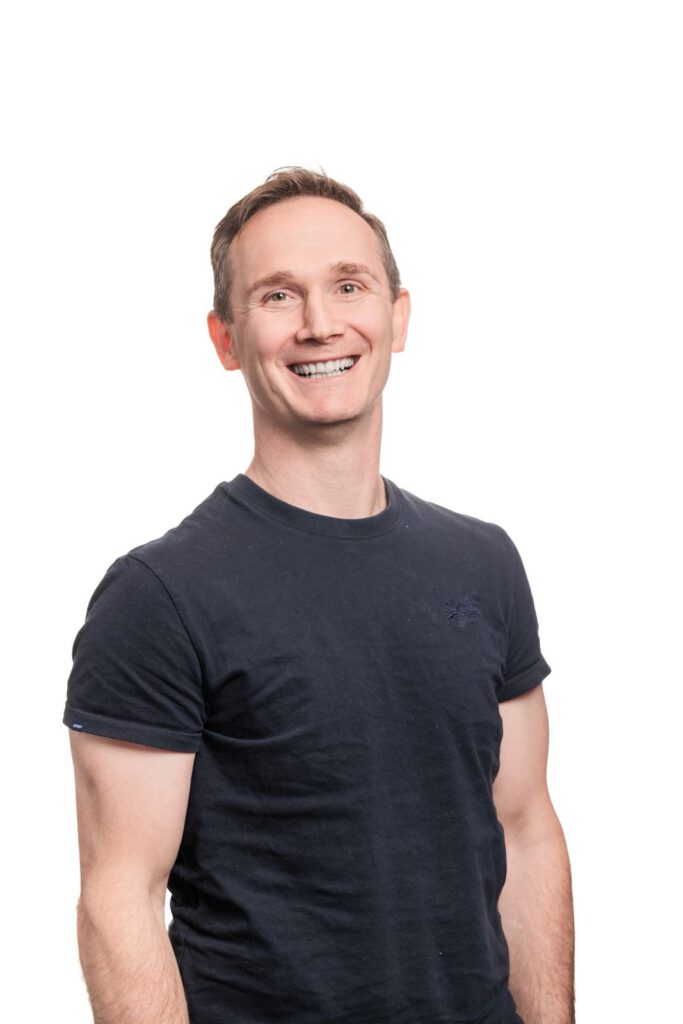
Milan Mehta

Milan Mehta

NHS General Practitioner; Stress Management Coach; Founder, Success Mindset Solutions, UK

Micro-Recovery in Motion: Reimagining Wellbeing in Healthcare Systems

Max 30 participants

In high-intensity healthcare environments, cognitive load, emotional demands, and time pressure are constant. Yet well-being interventions are often treated as something separate from the working day.

This workshop introduces a practical, evidence-informed framework, “Pause, Reset, Reflect”, based on brief mindfulness interventions, autonomic regulation, and attention research. Participants will experience and apply short micro-practices that can be integrated into existing clinical workflows without equipment or significant additional time.

The session explores how cue-based pauses during natural transitions in clinical work can support recovery, attention, and sustainable behaviour change.

Key takeaways

  • Understand the “Pause, Reset, Reflect” framework.
  • Experience practical 60 to 90 second micro-practices for real-time stress regulation and attentional control.
  • Learn how to anchor brief recovery interventions to existing clinical cues and transitions.
  • Explore how well-being can be embedded into system flow rather than added on top of the working day.
  • Consider how a scalable, low-resource approach can be integrated into team structures and healthcare system design.

Facilitator

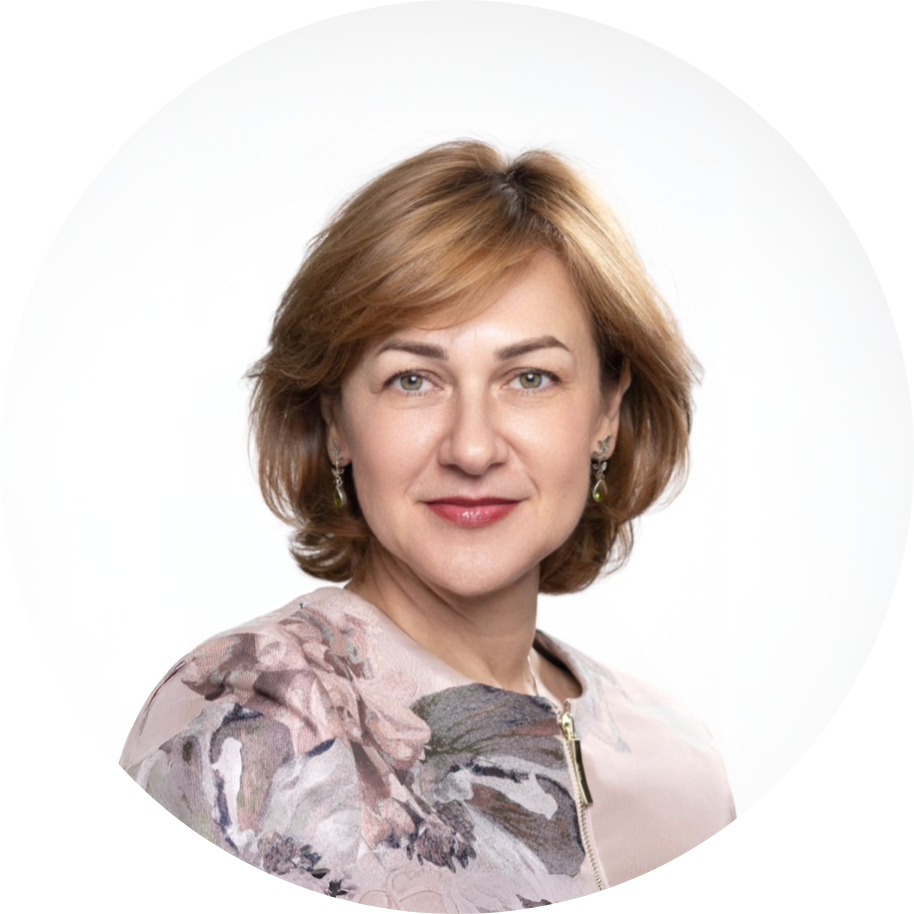
Yasmine Weeks

Yasmine Weeks

General Practitioner; ADHD Physical Health Specialist, NHS, UK

13:45 to 14:45

Find Your Joy of Medicine Through Mindfulness and Connections

Max 50 participants

This workshop explores how mindfulness and connection with colleagues can support physicians experiencing stress, isolation, and burnout.

Participants will have the opportunity to connect with physicians from different medical organisations and practices, share experiences, frustrations, and successes, and learn from colleagues in a safe and supportive environment.

The session also introduces tools aimed at helping participants work with negativity and reconnect with a greater sense of meaning and enjoyment in medicine.

Key takeaways

  • Connect with colleagues from different medical organisations and practices.
  • Share experiences, challenges, and successes in a supportive environment.
  • Learn from the experiences of fellow physicians.
  • Explore mindfulness and practical tools for addressing negativity.
  • Consider approaches to reducing isolation and supporting greater enjoyment in medicine.

Facilitator

Irina Korman

Irina Korman

Internal Medicine Physician; Member of the Advisory Committee of the Joy of Medicine Program, Sierra Sacramento Valley Medical Society, USA

Steady Under Pressure. Practical Regulation Skills for Stress and Distress in Medicine

Max 100 participants

This interactive workshop introduces practical techniques for recognising and regulating stress in real-world clinical settings.

Participants will explore early physiological and cognitive markers of stress and learn brief, physiologically grounded techniques that can be used during clinical work and beyond. The focus is on simple, reliable interventions that can be integrated into practice without requiring significant additional time.

The workshop addresses the role of autonomic nervous system dysregulation in the stress response and explores how breathwork and other practical techniques can support attention, emotional regulation, and performance under pressure.

Key takeaways

  • Identify early physiological and cognitive markers of stress.
  • Learn 2 or 3 rapid regulation techniques that can be applied during clinical work and beyond.
  • Practise practical methods for regulating the stress response in real time.
  • Explore techniques that can help stabilise attention and reduce emotional reactivity.
  • Develop a small set of repeatable techniques that can be integrated into everyday clinical practice.

Facilitator

James Brunning

James Brunning

Consultant Anaesthetist, Wellbeing Lead for Medical Staff; Final FRCA Examiner; Wellbeing Course Director; Breathwork Instructor; PGCME; Certificate in Clinical Hypnosis, British Society of Medical and Dental Hypnosis, UK

16:30 to 17:45

Building Resilience & Mindfulness: Practical Strategies for Daily Practice

Max 40 participants

Maintaining well-being in medicine requires practical strategies that can be integrated into everyday professional life. This workshop explores the role of resilience and mindfulness in helping healthcare professionals navigate the demands of clinical practice while maintaining focus, balance, and personal well-being.

Through practical approaches and guided reflection, participants will explore how mindfulness can be incorporated into daily routines and how resilience can be strengthened through greater awareness of thoughts, emotions, and responses to challenging situations.

The session is designed to move beyond theory and focus on practical strategies that participants can take into their daily practice.

Key takeaways

Participants will:

  • Explore practical approaches to strengthening resilience in everyday professional life.
  • Discover mindfulness strategies that can be incorporated into daily practice.
  • Develop greater awareness of how thoughts, emotions, and responses can influence well-being.
  • Identify practical ways to create moments of mindfulness within demanding working environments.
  • Take away strategies that can be applied immediately in both professional and personal settings.

Facilitator

Diana Ionescu

Diana Ionescu

Clinical Professor of Pathology, University of British Columbia; Medical Director, Cervical Cancer Screening Laboratory and Clinical Trials at BCCA Laboratories, Canada

Designing a Comprehensive Organisational Physician Well-Being Program: Governance, Funding & Evaluation

Max 40 participants

If your institution wants to build, restructure, or scale a physician well-being program, this working session is designed specifically for you.

The workshop focuses on three essential elements of sustainable organisational well-being: governance, funding, and evaluation. Participants will explore how to establish the structures needed for a well-being program to have real institutional authority, secure sustainable funding, and demonstrate meaningful outcomes to senior leadership.

This is a working session, not a lecture. Participants will leave with a framework they can take back to their institution and present internally. Not simply inspiration, but a practical plan.

Key takeaways

  • Understand how to structure governance frameworks that give physician well-being programs real institutional authority.
  • Explore sustainable funding models that can withstand leadership transitions and changing budget cycles.
  • Learn approaches to evaluating outcomes in rigorous terms that resonate with executive boards and senior leadership.

Facilitators

Jonathan Ripp

Jonathan Ripp

Professor of Medicine, Medical Education and Geriatrics and Palliative Medicine, and Dean for Well-Being and Resilience at the Icahn School of Medicine at Mount Sinai (ISMMS), USA

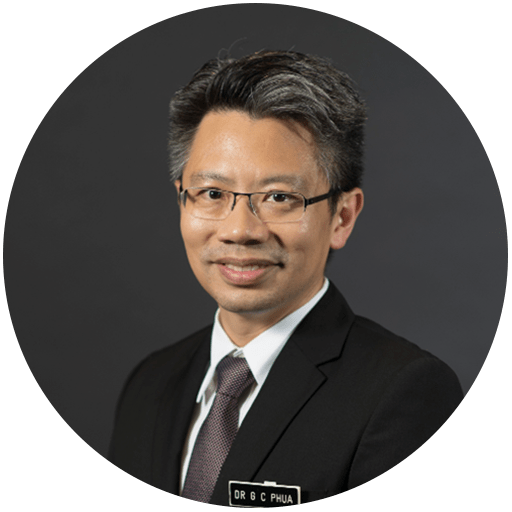
Phua Ghee Chee

Phua Ghee Chee

Deputy CEO of Singapore General Hospital and SingHealth’s Group Director of Staff Wellness, Singapore

18:00 to 19:00

Peer Support Pearls

Max 40 participants

Peer support can play an important role in supporting well-being in demanding clinical environments. This practical workshop explores why effective peer support matters and provides participants with the opportunity to develop and practise the skills needed for a successful peer support conversation.

The session translates theory into practical, sustainable behaviours that can be implemented in real-world clinical settings.

Key takeaways

Participants will:

  • Learn why it is critical to have effective peer support in place.
  • Take home practical skills for successful peer support conversations.
  • Practise and debrief a peer support conversation.
  • Explore how peer support can contribute to healthier working practices and team culture.

Facilitators

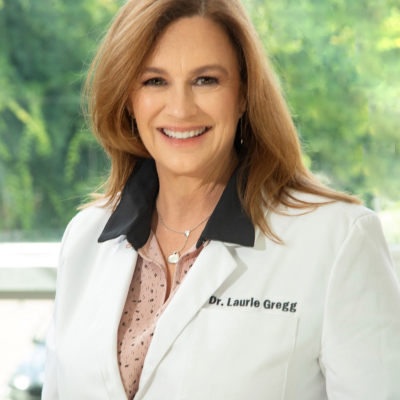
Laurie Gregg

Laurie Gregg

Chief Well-being Officer, Sutter Independent Physicians & Sutter Medical Center Sacramento, USA

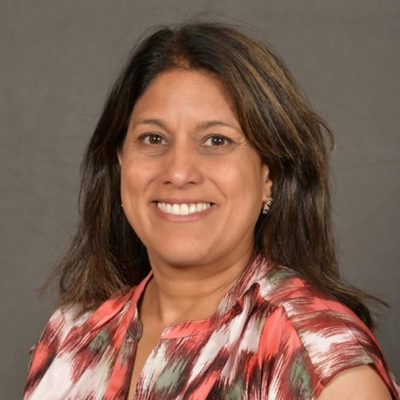
Mibhali Bhalala

Mibhali Bhalala

Board-Certified Obstetrician and Gynaecologist; Lifestyle Medicine, American College of Obstetricians and Gynecologists (ACOG), USA

Judy Kimelman

Judy Kimelman

Former Obstetrician and Gynaecologist; Fellow, American College of Obstetricians and Gynecologists (ACOG), USA

Shift Happens: Connection, Failure, and Finding Belonging in Medicine

Max 40 participants

Social isolation and the absence of psychological safety are important factors in physician well-being. This interactive workshop explores how connection, belonging, and openness around failure can help shift the way healthcare professionals relate to one another.

Rather than a passive lecture, the session uses facilitated exercises, storytelling, and peer dialogue to create opportunities for participants to explore connection and belonging in a practical way.

Key takeaways

  • Understand how aspects of medical training may contribute to professional isolation.
  • Explore the role of connection and belonging in physician well-being.
  • Discover concrete ways to rebuild connection and belonging beyond the working day.

Facilitator

Yasmin Rahman

Yasmin Rahman

GP, Educator, Mentor & Programme Director, New to Leadership, North Central & North East London

Secure your seat in Valencia.

Well-Being for Doctors 2026, 14 to 16 November. Regular rate open now.

The conference starts in

--
Días
--
Hours
--
Minutes
--
Seconds